
 EN
EN
 AR
AR
 BG
BG
 CS
CS
 DA
DA
 NL
NL
 FI
FI
 FR
FR
 DE
DE
 IT
IT
 JA
JA
 NO
NO
 KO
KO
 PL
PL
 PT
PT
 RO
RO
 RU
RU
 ES
ES
 SV
SV
 TL
TL
 IW
IW
 LT
LT
 SR
SR
 UK
UK
 VI
VI
 HU
HU
 TH
TH
 TR
TR
 FA
FA
 AF
AF
 MS
MS
 GA
GA
 IS
IS
 KA
KA
 BN
BN
 LO
LO
 LA
LA
 NE
NE
 KK
KK
 UZ
UZ
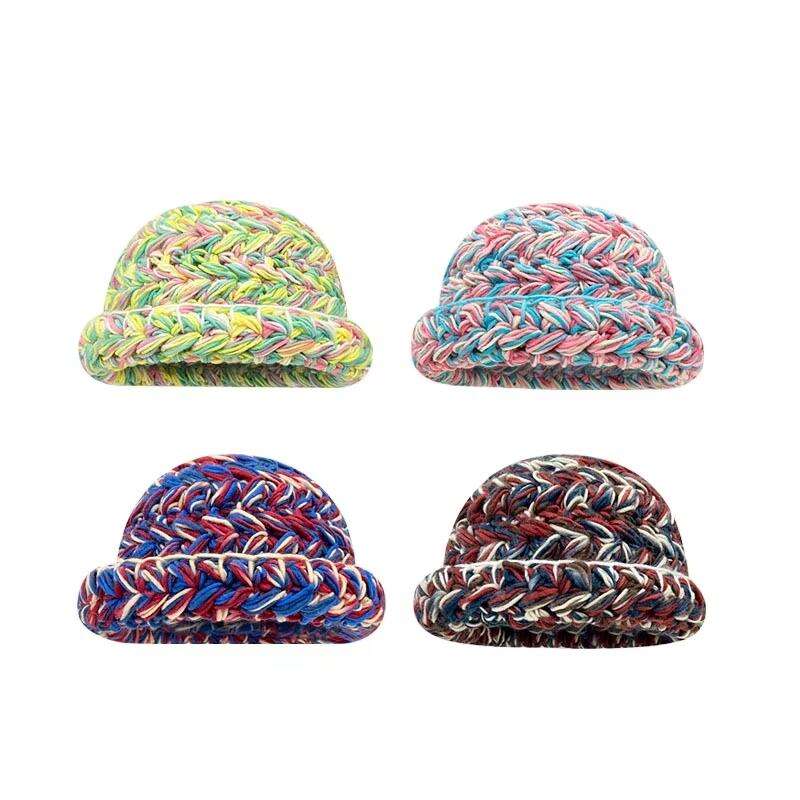
Inventory forecasting is a critical skill of any business that is based on fashion. It is the juggling between grabbing on the passionate customer demand and not falling into the expensive traps of overstock or shortages. Good forecasting would make sure our fashionable, premium beanies are where our clients need them during the required times saving our brand name and its profitability. This guide is a strategic plan on how to foresee the seasonal stock requirements.
Analyze Historical Sales Data Deeply
Your previous performance is the basis of any sound judgement. Start by carefully analyzing past season sales. Look beyond total units sold. Disaggregate the data according to the color of the beanie, the design, and the date of release. Determine the best performing styles and the slowest performing styles. Compare this sales data with marketing activities that took place during those periods. Was a specific color in a specific social media campaign or influencer partnership selling out? Moreover, examine the turnaround percentage and market comments associated with out-of-stock. This is the historical analysis that shows the trends and it enables you to know the minimum level of demand of your core collection and the effect of your promotion.
Understand Current Market Trends and Forecast Demand
Although the past is educative, the fashion market is not static. Demand forecasting takes into consideration the future. Carry out an in-depth market research to determine the new color trends, textile preferences as well as lifestyle changes that affect the choice of accessories. Do striking, bold colors have their day, or are dull and natural colors becoming popular? Track social media accounts, fashion trends and even street style to understand what is hitting with your target audience. We balance this qualitative trend information with models at ZhenJiang To Beauty Co., Ltd. To generate a dynamic demand forecast, we modulate our historical baselines in relation to the future projected of the popularity of future designs, future planned new product launches and our marketing calendar of the season.
Factor in Lead Times and Production Schedules
An ideal demand forecast is a waste of time when your stock takes long to get. You would need to have a clear picture of your whole supply chain schedule. Assess the total lead time correctly including time to finalize designs, get materials as well as to produce, quality inspection, shipping, and receiving in upper house. Keep a buffer bank on overruns as you can always encounter delays in international logistics. In case of seasonal peak, your production orders should be made months before. Collaborate with your manufacturing partners to get production slots but make them aware of your quality and deadlines. It is necessary to align your demand forecast to this production and logistics detailed planning to ensure that inventories arrive in time.
Leverage Inventory Management Technology
The contemporary inventory issues demand the contemporary solutions. Use either an Enterprise resource planning (ERP) or a standalone Inventory Management System (IMS). Such sites are priceless in bringing all your information together, history of sales, available stock, outstanding purchase orders and supplier information. They are able to produce automatic reporting, monitor rates of inventory turnover and can even make simple forecasting recommendations using algorithms. This technology eliminates manual errors, will save you a lot of time and your whole team will have one source of truth. It will enable you to track the stock levels on a real-time basis and make evidence-based changes during the season.
Implement a Process of Continuous Review and Adjustment
Seasonal forecasting does not involve o-and-done. It is a cyclic process of planning, monitoring and correcting. When the season starts, closely monitor the sales velocity and compare it to your estimates. Also, be ready to rearrange best-selling fashions as soon as possible, and devise ways to push slow moving stock, including special offers or packages. Take sales channel and customer feedback on a regular basis. Once the season ends, conduct an official review. Make predictions and compare them to your actual performance, evaluate your performance and see how you can improve. This feedback allows making your forecasting model smarter and more precise with every season.
Knowing how to make seasonal forecasts of inventory is a competitive edge. In the case of a brand such as ZhenJiang To Beauty Co., Ltd., it will guarantee that our customers can always have the stylish and comfortable beanies that they are fond of, at the same time making us exercise operational efficiency and favorable growth. It is possible to transform inventory management into an asset of your brand, rather than a cause of stress, by developing a solid process that is founded on data, market knowledge and strategy.